Reliable Stainless Steel Seamless Pipe & Tube Supplier
 Email:nydia@aluminumhm.com
 Whatsapp:8618137889531
 Wechat:+86-18137889531

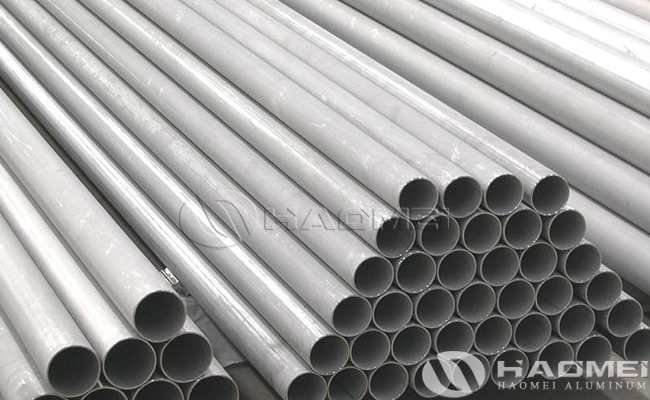
321 Stainless Steel Seamless Pipe
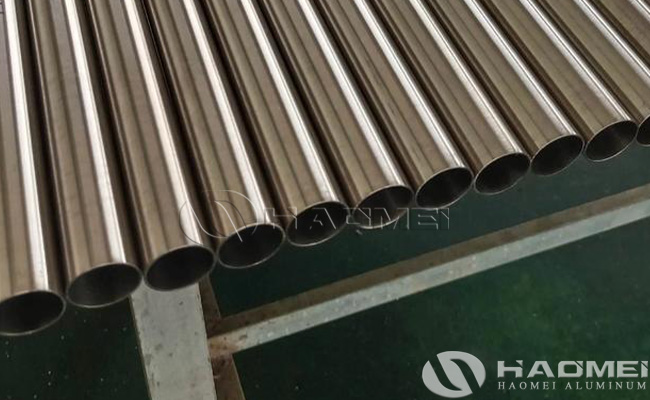
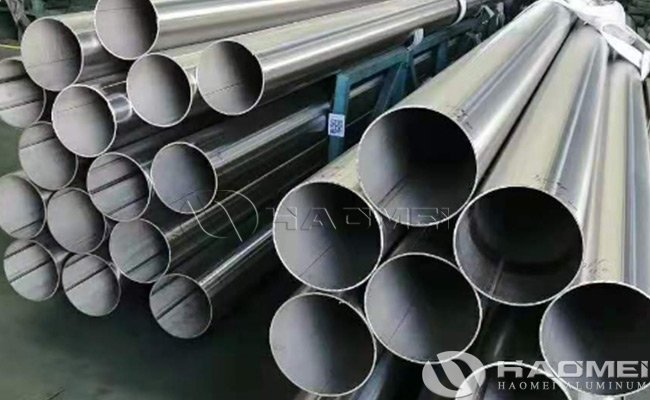
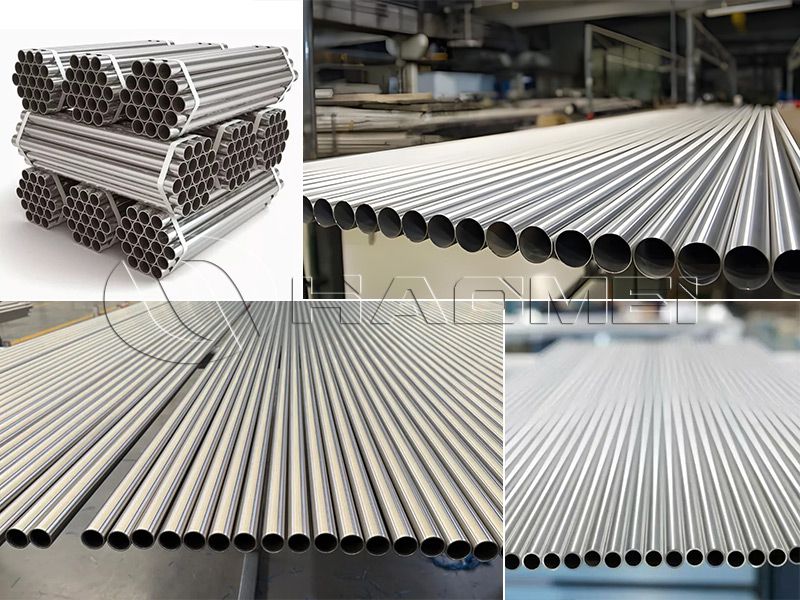
321 stainless steel seamless pipe is a titanium-stabilized austenitic stainless steel pipe designed for applications involving elevated temperatures. The addition of titanium helps prevent chromium carbide precipitation, making 321 stainless steel especially suitable for use in welded structures and high-temperature environments. It is widely used in heat exchangers, boilers, superheaters, exhaust systems, and chemical processing equipment.
Specifications of 321 Stainless Steel Seamless Pipe:
Item | Description |
Product Name | 321 Stainless Steel Seamless Pipe |
Grade | 321 |
Standards | ASTM A312, ASTM A213, ASTM A269, ASME SA312, EN 10216-5 |
Outer Diameter | 6 mm – 630 mm |
Wall Thickness | 0.5 mm – 40 mm |
Length | 5.8m, 6m, random length, or custom length |
Manufacturing Process | Cold drawn, cold rolled, hot finished |
Surface Finish | Annealed, pickled, bright annealed, polished |
Pipe Ends | Plain end, beveled end, threaded end |
Type | Seamless pipe / seamless tube |
Tolerance | According to ASTM, ASME, EN, or customer requirements |
Chemical Composition of 321 Stainless Steel Seamless Pipe:
Grade | C | Si | Mn | P | S | Cr | Ni | Ti | N |
321 | ≤0.08 | ≤1.00 | ≤2.00 | ≤0.045 | ≤0.030 | 17.0–19.0 | 9.0–12.0 | 5×C min – 0.70 max | ≤0.10 |
Chemical composition may vary slightly depending on the applicable standard.
Mechanical Properties of 321 Stainless Steel Seamless Pipe:
Grade | Tensile Strength | Yield Strength | Elongation | Hardness |
321 | ≥515 MPa | ≥205 MPa | ≥35% | ≤95 HRB |
Comparison of 321 and 304 Stainless Steel:
Property | 321 Stainless Steel | 304 Stainless Steel |
Main Feature | Titanium stabilized for high-temperature service | General-purpose stainless steel |
High Temperature Resistance | Better | Moderate |
Intergranular Corrosion Resistance | Better after welding at elevated temperature | Lower in high-temperature welded conditions |
Weldability | Good | Good |
Corrosion Resistance | Good | Good |
Typical Applications | Heat exchangers, boilers, exhaust systems | General piping, water treatment, food processing |
Standards of 321 Stainless Steel Seamless Pipe:
321 stainless steel seamless pipe can be supplied according to the following standards:
ASTM A312
ASTM A213
ASTM A269
ASME SA312
EN 10216-5
DIN / JIS / GB standards upon request
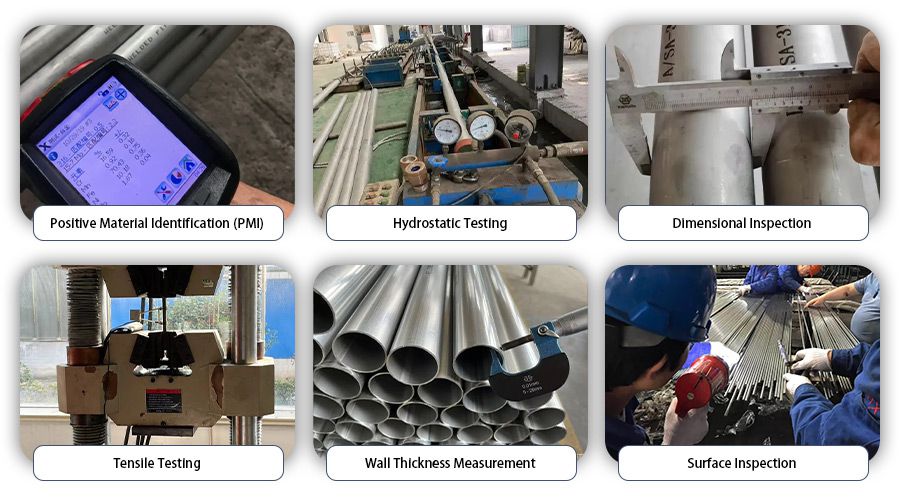
Inspection & Testing of 321 Stainless Steel Seamless Pipe:
321 stainless steel seamless pipe is inspected and tested according to applicable standards and customer requirements. Common inspection and testing items include:
Visual inspection
Dimensional inspection
Chemical composition analysis
Mechanical property test
Hydrostatic test
Flattening test
Flaring test
Ultrasonic test or eddy current test
PMI (Positive Material Identification), if required
Intergranular corrosion test, if required
Surface inspection
Applications of 321 Stainless Steel Seamless Pipe:
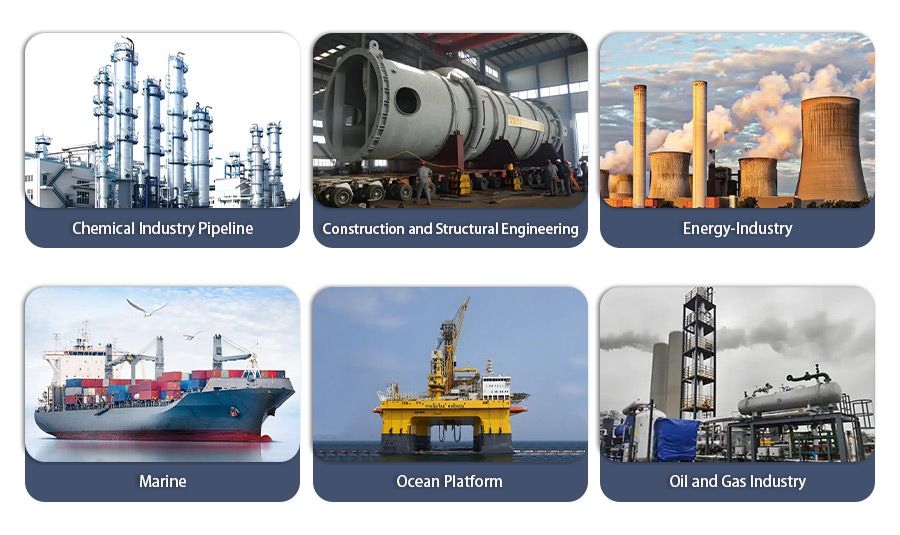
321 stainless steel seamless pipe is commonly used in applications that require good oxidation resistance and high-temperature strength. Typical applications include:
Heat exchangers
Boilers and superheaters
Furnace parts
Exhaust systems
Chemical processing equipment
High-temperature piping systems
Aircraft exhaust manifolds
Pressure vessels
Package of 321 Stainless Steel Seamless Pipe:
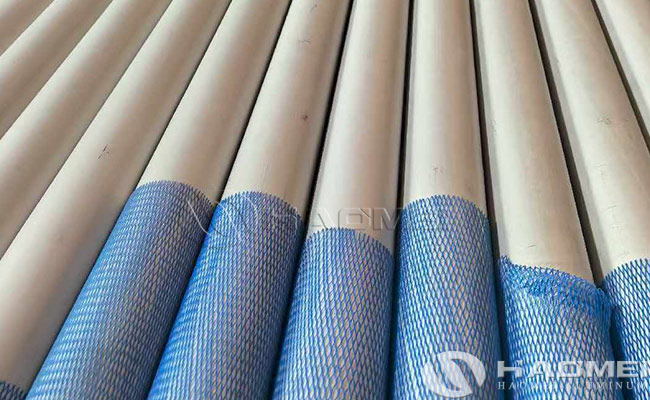
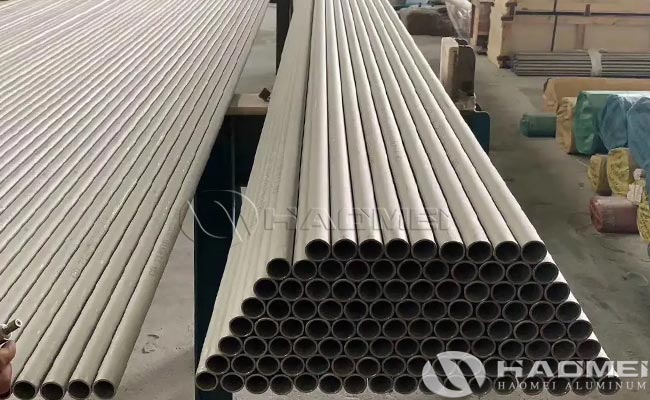
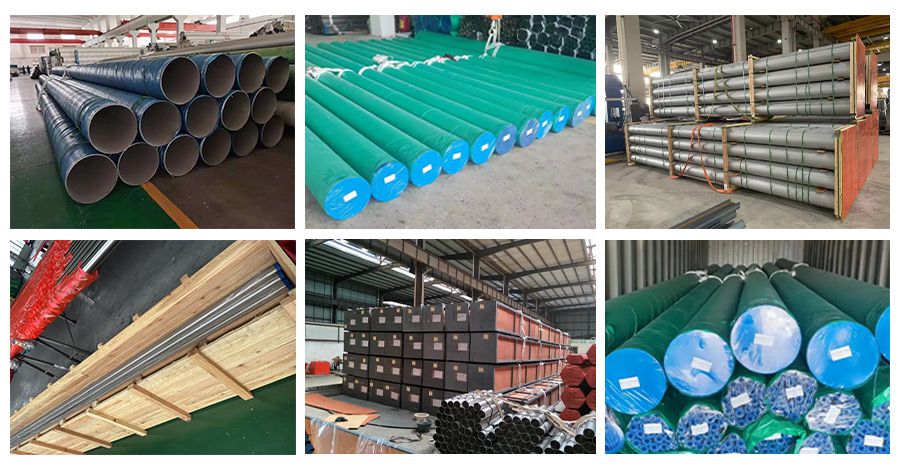
321 stainless steel seamless pipe is usually packed in bundles, plywood cases, wooden cases, or seaworthy export packing to ensure safe transportation and storage.
Both ends can be protected with plastic caps, and the pipes may be wrapped with plastic film, woven bags, or waterproof materials if required.
Customized packing is also available according to customer requirements.
FAQ:
Answer: 321 stainless steel seamless pipe is a titanium-stabilized austenitic stainless steel pipe designed for high-temperature applications and improved resistance to intergranular corrosion after welding.
Answer: The main advantage of 321 stainless steel is its better performance in high-temperature environments due to titanium stabilization, which helps prevent carbide precipitation.
Answer: Yes. 321 stainless steel offers good weldability and is especially suitable for welded components used at elevated temperatures.
Answer: Common standards include ASTM A312, ASTM A213, ASTM A269, ASME SA312, and EN 10216-5.
Answer: It is widely used in heat exchangers, boilers, exhaust systems, chemical processing equipment, and other high-temperature piping systems.
Answer: Yes. MTC, EN 10204 3.1 certificate, 3.2 certificate, and third-party inspection reports can be provided upon request.