Reliable Stainless Steel Seamless Pipe & Tube Supplier
 Email:nydia@aluminumhm.com
 Whatsapp:8618137889531
 Wechat:+86-18137889531

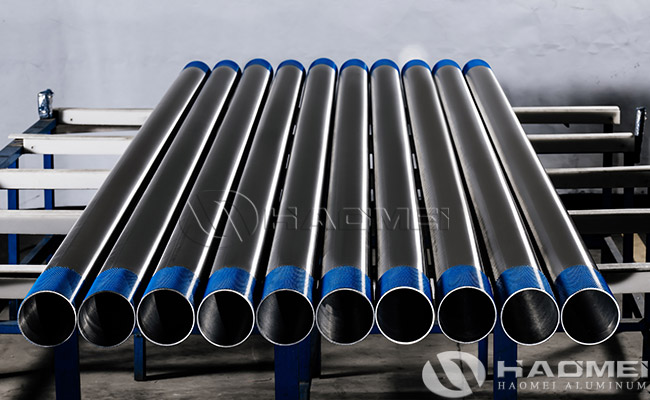
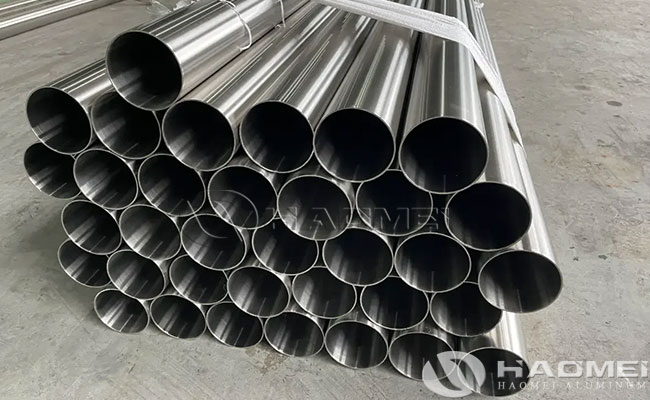
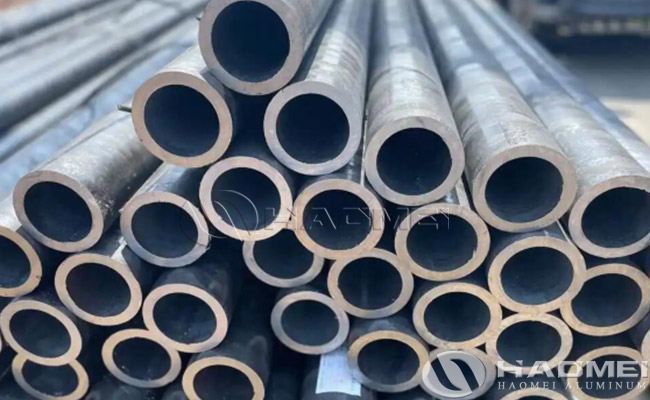
316/316L Stainless Steel Seamless Pipe
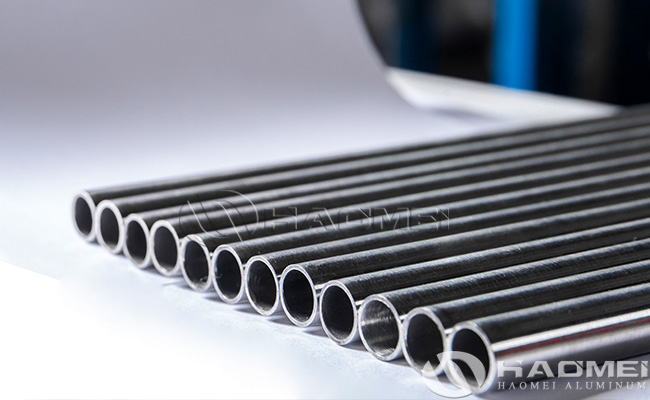
316/316L stainless steel seamless pipe is an austenitic stainless steel pipe known for its excellent corrosion resistance, especially in chloride and marine environments. Compared with 304 stainless steel, 316/316L contains molybdenum, which improves resistance to pitting and crevice corrosion. It is widely used in marine engineering, chemical processing, heat exchangers, food processing, and industrial fluid transportation systems.
316L is the low-carbon version of 316 stainless steel, offering better weldability and reduced risk of intergranular corrosion after welding. 316 and 316L stainless steel seamless pipes are widely used in various industries due to their excellent corrosion resistance and high-temperature strength.
Specifications of 316/316L Stainless Steel Seamless Pipe:
316/316L stainless steel seamless pipe can be supplied in a wide range of sizes and specifications according to international standards and customer requirements.
Item | Description |
Product Name | 316/316L Stainless Steel Seamless Pipe |
Grades | 316, 316L |
Standards | ASTM A312, ASTM A213, ASTM A269, ASME SA312, EN 10216-5 |
Outer Diameter | 6 mm – 630 mm |
Wall Thickness | 0.5 mm – 40 mm |
Length | 5.8m, 6m, random length, fixed length, or custom length |
Manufacturing Process | Cold drawn, cold rolled, hot finished |
Surface Finish | Annealed, pickled, bright annealed, polished |
Pipe Ends | Plain end, beveled end, threaded end |
Type | Seamless pipe / seamless tube |
Tolerance | According to ASTM, ASME, EN, or customer requirements |
Packaging | Bundles, wooden cases, plywood cases, seaworthy export packing |
Marking | Grade, size, standard, heat number, manufacturer’s mark, or as required |
Inspection Documents | MTC, EN 10204 3.1, EN 10204 3.2, third-party inspection report |
Chemical Composition of 316/316L Stainless Steel Seamless Pipe:
Grade | C | Si | Mn | P | S | Cr | Ni | Mo | N |
316 | ≤0.08 | ≤1.00 | ≤2.00 | ≤0.045 | ≤0.030 | 16.0–18.0 | 10.0–14.0 | 2.0–3.0 | ≤0.10 |
316L | ≤0.03 | ≤1.00 | ≤2.00 | ≤0.045 | ≤0.030 | 16.0–18.0 | 10.0–14.0 | 2.0–3.0 | ≤0.10 |
Chemical composition may vary slightly depending on the applicable standard.
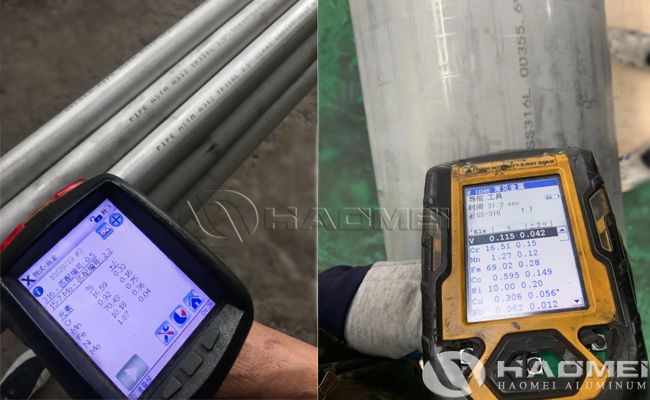
Mechanical Properties of 316/316L Stainless Steel Seamless Pipe:
Grade | Tensile Strength | Yield Strength | Elongation | Hardness |
316 | ≥515 MPa | ≥205 MPa | ≥35% | ≤95 HRB |
316L | ≥485 MPa | ≥170 MPa | ≥35% | ≤95 HRB |
Mechanical properties may vary according to size, production process, and standard.
Comparison of 316 and 316L Stainless Steel Seamless Pipe:
Property | 316 Stainless Steel Seamless Pipe | 316L Stainless Steel Seamless Pipe |
Carbon Content | Higher, up to 0.08% | Lower, up to 0.03% |
Corrosion Resistance | Excellent | Excellent |
Intergranular Corrosion Resistance | Good | Better after welding |
Weldability | Good | Better |
Strength | Slightly higher | Slightly lower |
Sensitization Risk After Welding | Higher | Lower |
Typical Use | General corrosion-resistant applications | Welded structures and corrosive environments |
Marine Use | Suitable | More commonly preferred |
Chemical Processing Use | Suitable | Widely preferred |
Heat Resistance | Good | Good |
Common Selection | Standard 316 applications | Projects requiring welding and better corrosion performance |
Standards of 316/316L Stainless Steel Seamless Pipe:
316/316L stainless steel seamless pipe can be manufactured and supplied according to the following standards:
ASTM A312 – Seamless, welded, and heavily cold worked austenitic stainless steel pipes
ASTM A213 – Seamless ferritic and austenitic alloy-steel boiler, superheater, and heat-exchanger tubes
ASTM A269 – Seamless and welded austenitic stainless steel tubing for general service
ASME SA312 – Pressure piping applications
EN 10216-5 – Seamless steel tubes for pressure purposes, stainless steel tubes
JIS / DIN / GB standards – Available upon request
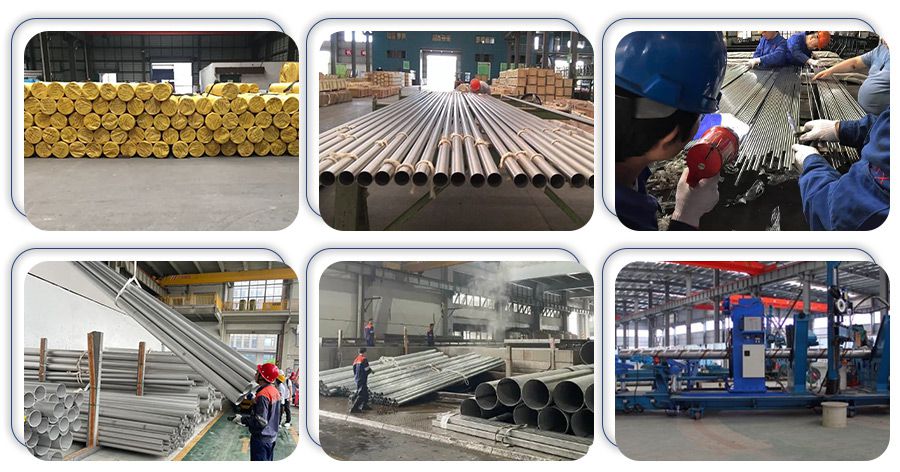
Inspection & Testing of 316/316L Stainless Steel Seamless Pipe:
316/316L stainless steel seamless pipe is inspected and tested to ensure quality, performance, and compliance with applicable standards.
Common inspection and testing items include:
Visual inspection
Dimensional inspection
Chemical composition analysis
Mechanical property test
Hydrostatic test
Flattening test
Flaring test
Ultrasonic test or eddy current test
PMI (Positive Material Identification), if required
Intergranular corrosion test, if required
Surface quality inspection
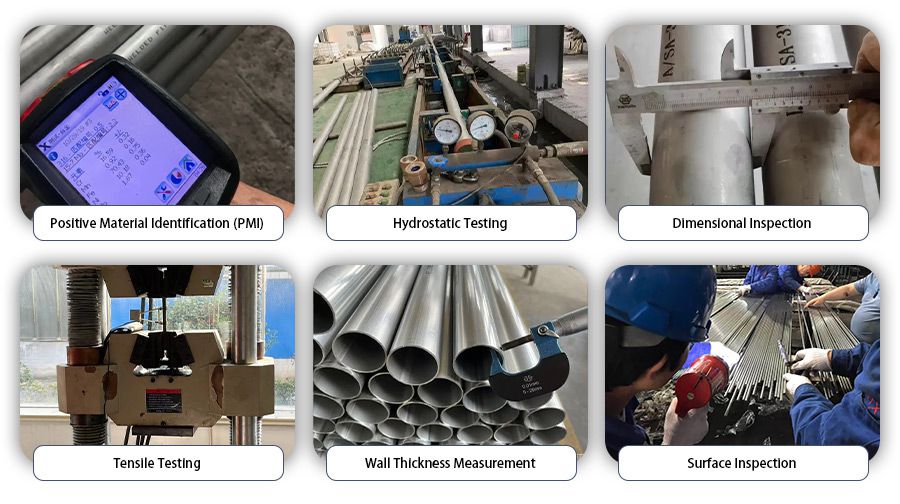
Applications of 316/316L Stainless Steel Seamless Pipe:
316/316L stainless steel seamless pipe is widely used in industries that require good corrosion resistance, hygiene, and durability.
Typical applications include:
Marine and shipbuilding industry
Seawater and desalination systems
Chemical and petrochemical processing
Heat exchangers and condensers
Oil and gas industry
Food processing equipment
Pharmaceutical industry
Pulp and paper industry
Pressure piping systems
Water treatment system
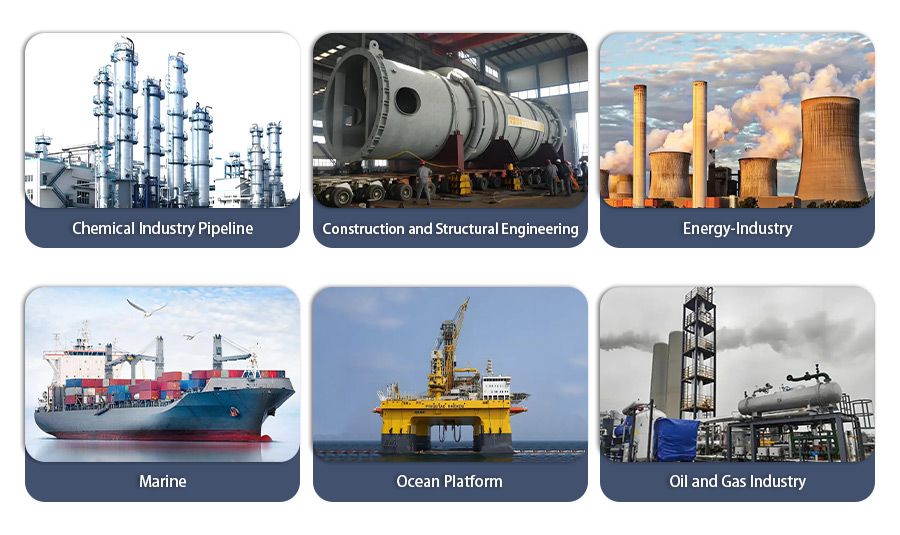
Package of 316/316L Stainless Steel Seamless Pipe:
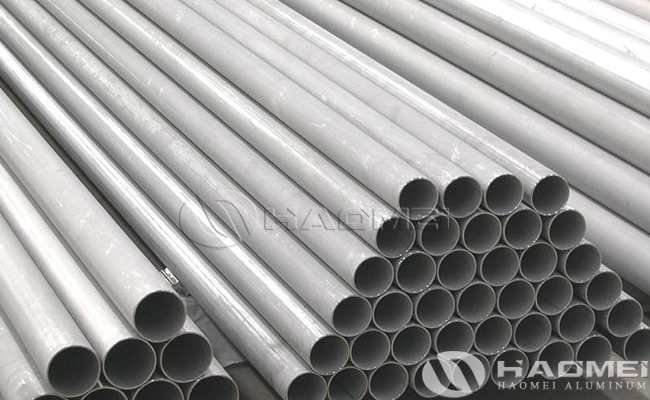
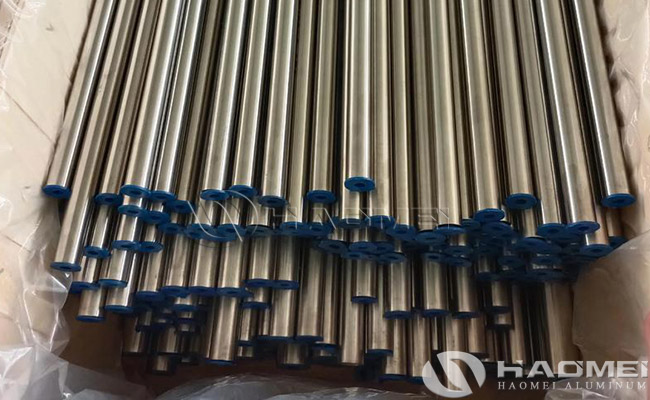
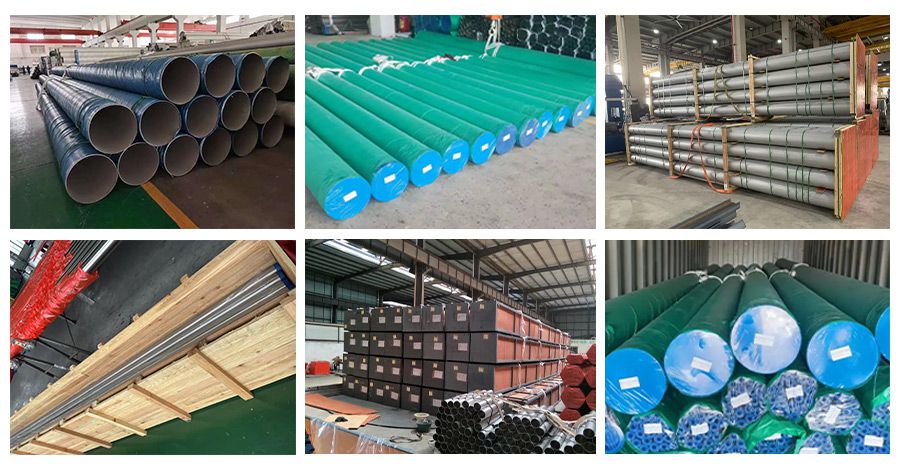
316/316L stainless steel seamless pipe is usually packed in bundles, wooden cases, or seaworthy export packing to ensure safe transportation and storage. Both ends can be protected with plastic caps, and the pipes may be wrapped with plastic film, woven bags, or waterproof materials if required. Packing can also be customized according to customer requirements.
FAQs
The main difference is carbon content. 316 stainless steel contains a higher carbon level, while 316L has a lower carbon content. Because of this, 316L offers better resistance to sensitization and intergranular corrosion after welding.
316L stainless steel seamless pipe is generally better for welding because its lower carbon content helps reduce the risk of carbide precipitation and corrosion in the heat-affected zone.
Yes. Both 316 and 316L stainless steel seamless pipes offer good corrosion resistance and are suitable for many marine and coastal environments. However, 316L is more commonly preferred for welded marine piping systems.
Common standards include ASTM A312, ASTM A213, ASTM A269, ASME SA312, and EN 10216-5. Other standards may also be available according to customer requirements.
316 and 316L stainless steel contain molybdenum, which provides better resistance to pitting and crevice corrosion, especially in chloride-containing environments such as seawater and chemical processing systems.
Yes. 316L stainless steel seamless pipe is widely used in corrosive environments, especially where good resistance to chlorides, acids, and welded corrosion performance is required.
316 stainless steel seamless pipe is commonly used in chemical processing, food processing, water treatment, marine piping, heat exchangers, and general industrial applications requiring corrosion resistance.
316L stainless steel seamless pipe is widely used in welded piping systems, marine equipment, pharmaceutical production, chemical processing, and other environments where lower carbon content and improved corrosion resistance are important.
Yes. Mill Test Certificate (MTC), EN 10204 3.1 certificate, EN 10204 3.2 certificate, and third-party inspection reports can be provided upon request.
Common surface finishes include annealed and pickled, bright annealed, and polished finishes, depending on the applicable standard and customer requirements.
Available sizes usually include outer diameters from 6 mm to 630 mm and wall thicknesses from 0.5 mm to 40 mm, depending on the manufacturing standard and supply condition.
Yes. Custom lengths, special marking, export packing, and additional inspection requirements can be supplied according to customer requests.